Introduction
In the world of electronics and semiconductor production, twine bonding has emerged as a essential approach for constructing electric connections among areas. Among the a lot of tips of wire bonding, ribbon bonding stands proud resulting from its different reward and flexibility across multiple industries. This article delves into the complex panorama of ribbon bonding packages, exploring how this leading edge technology is revolutionizing sectors which includes automotive, aerospace, scientific gadgets, and greater.
What is Wire Bonding?
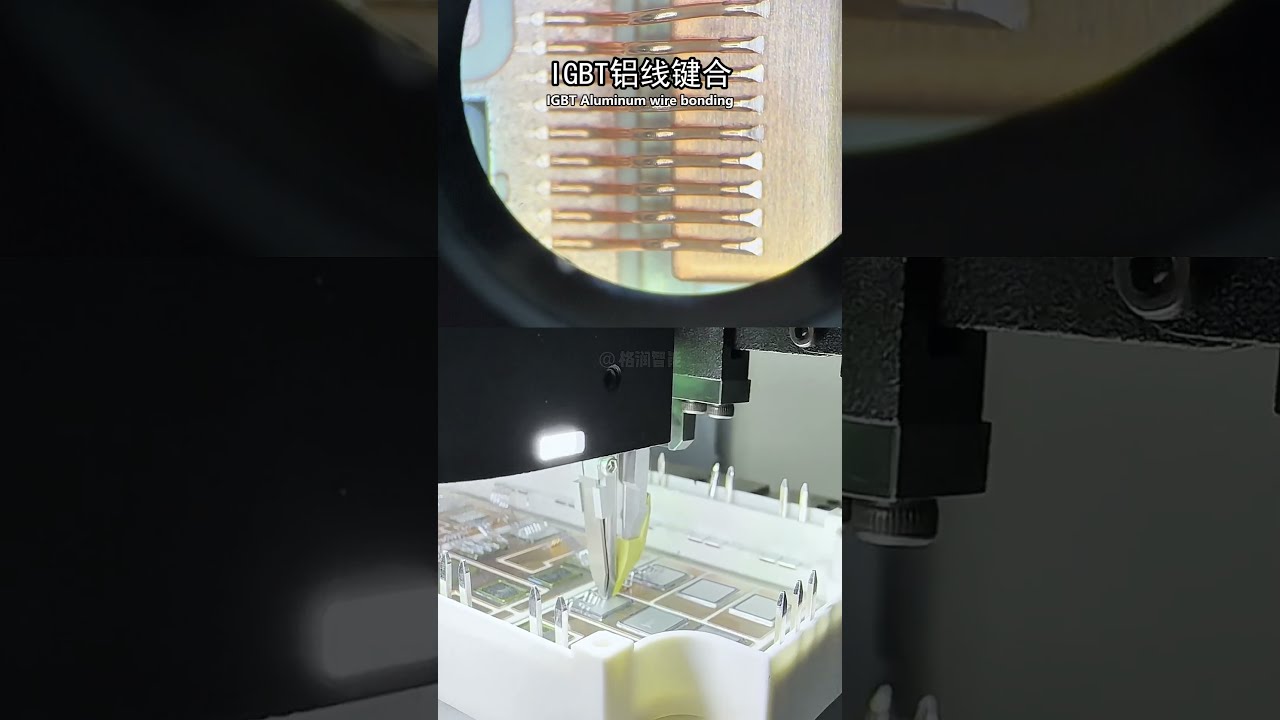
Wire bonding is a system used to create electrical connections between semiconductor contraptions and their packaging. It entails with the aid of thin wires to connect bond pads on an included circuit (IC) to outside leads or different chips. The commonly used goal of cord bonding is to guarantee solid and environment friendly communique inside of digital devices.
How Wire Bonding Works
The twine bonding system by and large contains countless steps:
Preparation: The floor of the substrate or chip needs to be refreshing and unfastened from contaminants. Placement: A cord bonder equipment exactly areas the cord over the necessary bond pad. Bonding: Using warm, ultrasonic strength, or a blend of the two, the bonder creates a forged connection. Trimming: Excess wire is trimmed away after useful bonding.This way can make use of quite a lot of forms of substances together with gold, aluminum, copper, and silver cord bonding strategies.
Types of Wire Bonding Techniques
- Ball Bonding: Utilizes a small ball formed at the end of the twine for connections. Wedge Bonding: Employs a wedge-fashioned tool rather than a ball for making connections. Ribbon Bonding: Uses flat ribbons rather than around wires to make electrical connections.
In precis, expertise these fundamentals sets the level for diving deeper into ribbon bonding specifically.
The Ribbon Bonding Process
Ribbon bonding is an advanced form of cord bonding that utilizes flat ribbons instead of circular wires. This process has won traction through its ability to handle larger modern-day densities and give minimize inductance paths in contrast to conventional around wires.
Advantages of Ribbon Bonding
Higher Current Capacity: The large floor neighborhood facilitates for more advantageous contemporary distribution. Reduced Inductance: Lower inductance improves overall performance in high-frequency functions. Space Efficiency: The flat nature permits for tighter spacing between bonds which is needed in compact designs.Ribbon Bonding Machine Overview
A specialized ribbon bonding equipment is useful for executing this system readily. These machines are designed with services that enable good handle over parameters like temperature and pressure at some point of bonding.
Exploring Ribbon Bonding Applications in Diverse Industries
The versatility of ribbon bonding makes it suitable in lots of fields which include:
1. Automotive Electronics
In state-of-the-art automobiles wherein digital approaches are imperative for materials like sensors and infotainment platforms, ribbon bonding deals reliability below harsh stipulations.
Applications
- Power modules Sensor interfaces
2. Aerospace
Aerospace applications require light-weight but physically powerful ideas; in this case, ribbon bonding technology gives you helpful functionality when adhering to strict weight restrictions.
Applications
- Satellite communication systems Flight handle systems
three. Medical Devices
Medical resources necessitate reliability in which human lives are at stake; in this case ribbon bonded connections confirm minimum failure prices and long-term reliability.
Applications
- Diagnostic equipment Implantable devices
four. Telecommunications
With prime files rates being demanded through networks as of late, ribbon bonding’s low inductance properties make it supreme for RF modules utilized in telecommunications gadget.
Applications
- Base station transceivers Optical verbal exchange devices
Understanding Ribbon Wire Bonding Techniques
Gold vs Aluminum Ribbon Bonding
When picking materials for ribbon bonding, many engineers debate among gold and aluminum ribbons:
| Feature | Gold Ribbon | Aluminum Ribbon | |-----------------------------|----------------------|-----------------------| | Cost | High | Low | | Corrosion Resistance | Excellent | Moderate | | Electrical Conductivity | Superior | Good | | Application | High-conclusion electronics | General-aim |
In abstract, when gold ribbons present surest conductivity and corrosion resistance, aluminum might possibly be ideal wherein expense is a challenge.
Ribbon Bonding vs Wedge Bonding
Both recommendations have their place in production; then again, they cater to other needs primarily based on software standards:
Comparison Table
| Feature | Ribbon Bonding | Wedge Bonding | |-----------------------------|----------------------|-----------------------| | Material | Flat ribbons | Round or flat wires | | Typical Application | High-density circuits | General IC interconnections | | Process Speed | Faster | Moderate |
While the two programs can achieve effectual outcome; engineers primarily settle upon established on unique layout constraints reminiscent of space obstacles or thermal residences.
Challenges in Ribbon Bonding
Despite its blessings, there are challenges linked to ribbon bonding that need addressing:
Mechanical Stability: Ribbons can be much less steady than circular wires beneath specific conditions. Bond Quality Control: Ensuring that both bond meets best requisites at some point of production calls for strict tracking protocols. Cost Factors: While useful, really expert equipment can entail bigger initial investments in comparison to traditional systems.To mitigate these demanding situations, providers as a rule invest in schooling methods that specialize in quality control measures tailored specially for ribbon bonding procedures.
FAQs About Ribbon Bonding
1. What industries mostly use ribbon bonding?
Ribbon bonding finds packages particularly in automotive electronics, aerospace production, scientific gadgets manufacturing, and telecommunications sectors because of the its pleasing reward over regular tools.
2. How does ribbon dimension impression efficiency?
Larger ribbon sizes widely permit bigger modern-day capacities yet would include alternate-offs relating to mechanical flexibility or thermal dissipation traits; for that reason careful consideration is most important stylish on application desires.
three. Can I use any kind of subject matter for ribbon bonding?
While aluminum and gold are commonplace possibilities using their conductivity properties; or not it's very important to assess compatibility along with your actual software in the past determining any fabric model for optimum outcome.
4. What explanations have an impact on bond electricity for the time of the procedure?
Factors embody cloth category used (gold vs aluminum), ambient operating prerequisites (temperature/humidity), adhesion options hired (ultrasonic vs thermosonic), between others which all play important roles influencing entire bond integrity submit-system of completion.
five. Are there exercise sources feasible for discovering about twine/ribbon bonding?
Yes! Numerous universities supply courses concentrated on points surrounding innovative techniques like the ones involved with equally twine & peculiarly within parts same promptly in direction of amazing implementation ideas round utilizing this amtech Processes era correctly!
6. What's subsequent for ribbon technology recommendations?
As demand keeps starting to be throughout numerous sectors witnessing developments every day—from greater automation abilities by way of AI integration fostering smarter determination-making techniques—to superior drapery reviews paving approach closer to novel purposes expanding past classic utilizations considered in these days!
Conclusion
In conclusion, exploring ribbon bonding applications shows its pivotal position across quite a lot of industries from automotive electronics to scientific devices and beyond. By leveraging its exceptional attributes such as high existing capacity and diminished inductance pathways—engineers can force innovation while making sure reliability within their designs! As we movement ahead into an generation fueled by way of instant technological developments—ribbon bonds will for sure remain at vanguard shaping long term landscapes inside of electronic manufacturing realms!
This article not purely highlights imperative elements related to “Exploring Ribbon Bonding Applications in Diverse Industries,” yet additionally serves as an informative source aimed toward enhancing understanding surrounding approaches critical in direction of advancing engineering practices shifting forward!